

How to store wine?
There’s always a day when the wine no longer fits on the kitchen rack. One bottle here, another there, a forgotten case behind the door, and suddenly it’s not a collection anymore, it’s a logistics problem. The good news is that storing wine well, long term, doesn’t require superstition or lab equipment. It just takes understanding four or five simple rules, and knowing where to apply them when a home cellar isn’t an option.
On its side or standing up? The question everyone wonders about
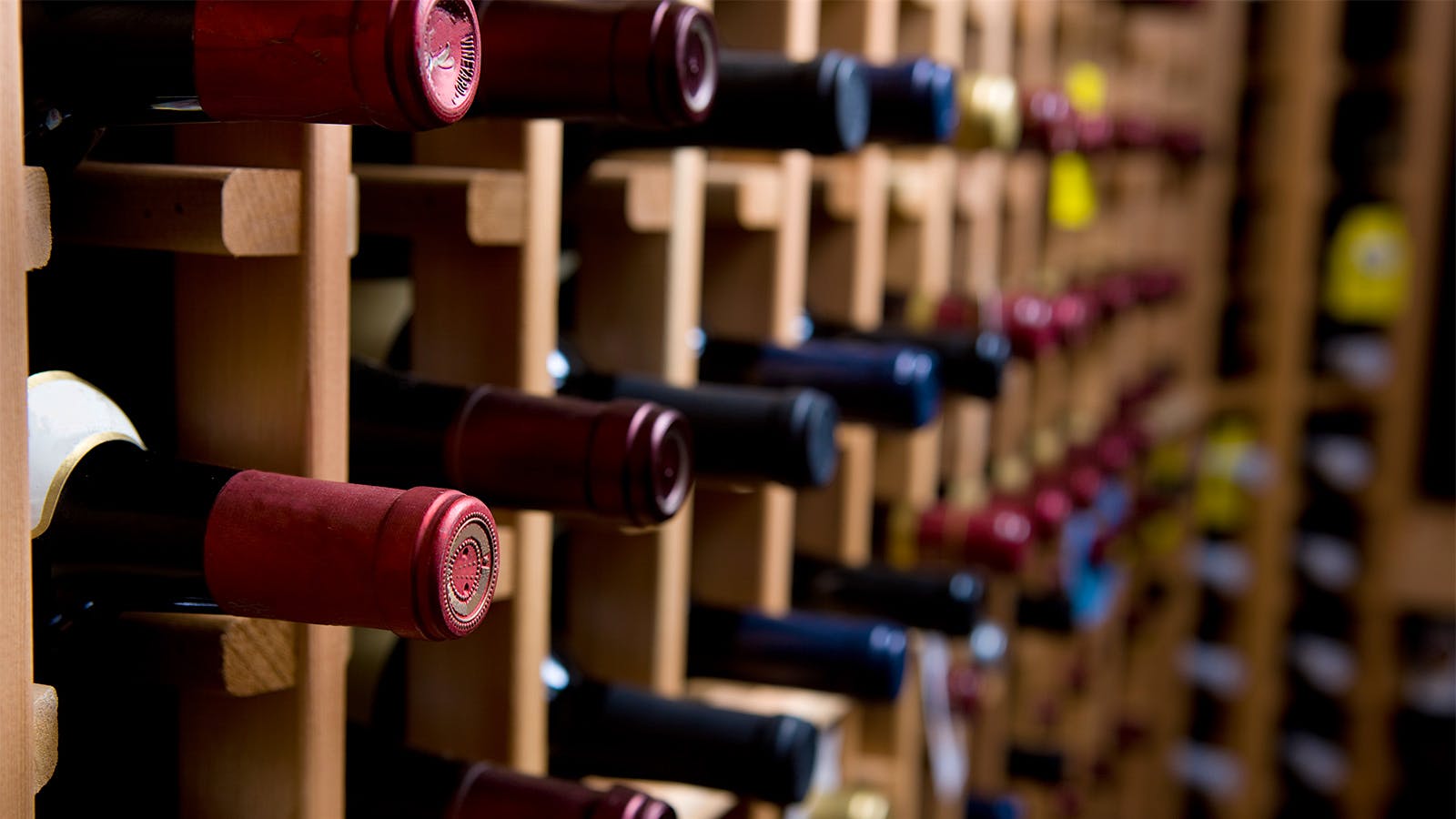
The classic rule exists for a very concrete reason: bottles sealed with a cork should be stored on their side. That way, the wine keeps the cork moist and elastic, sealing the bottle and keeping air out. A bottle left standing for months lets the cork dry out and shrink, and that small gap is exactly what opens the door to premature oxidation. The exception is screw-cap bottles, or ones meant for near-immediate drinking, where position no longer matters.
Light, the silent enemy
Yes, light damages wine, especially direct sunlight and prolonged exposure to strong lighting. The phenomenon even has its own name, “lightstrike”: radiation breaks down compounds in the wine and releases unpleasant aromas, as well as fading labels and, in clearer bottles, altering the wine’s own color. That’s why good cellars are, above all, dark.
The vibrations nobody notices
A wine that’s aging is, at its core, a slow and delicate chemical reaction. Constant movement (from a regular fridge, street traffic, or nearby appliances) interferes with that process and stirs up the natural sediment that forms over time. It’s not a sommelier’s myth: it’s simple physics. A calm, still environment matters just as much as the right temperature.
Putting it all together: temperature, humidity, darkness, and stillness
We’ve already covered the ideal temperature here (between 12°C and 14°C, without major swings) and the right humidity (between 65% and 75%). Add darkness and freedom from vibration, and the recipe is complete for a wine to age the way it should: slowly, and on its own terms.
What if you don’t have a cellar at home?
Here’s the real problem: most people simply don’t have these conditions at home. A wine fridge helps, but it has limited capacity, vibrates because of the compressor, and rarely controls humidity. A basement or storage room comes closer to ideal, but it’s far from actually controlled.
That’s exactly why KUBOO created KAVEE: the first and only wine-storage in Portugal, inside our Abóboda facility, between Lisbon and Cascais. Stable temperature, controlled humidity, total darkness, and zero vibration, with bottles stored horizontally, exactly as they should be. A space built for collectors who’ve run out of room at home, investors who need conditions and record-keeping that protect the value of their bottles, restaurants and sommeliers looking for more professional capacity, and enthusiasts who’ve decided to take seriously how they store what they love to drink. All backed by the same security and human care that already define KUBOO.
Because, in the end, storing wine well isn’t about luck. It’s about giving it the right place, and that’s exactly why KAVEE exists.